Updated November 10, 2026
Tarrant County sits in the Cross Timbers and Grand Prairie region, sandy loam over sandstone in the timbers and shallow soils over limestone on the prairie, which drain better but still move with the seasons. Use the bid checklist to compare, then request one written quote.
Fort Worth publishes the spec, so use it
Tarrant County is the easiest county in the metro to compare bids in, because Fort Worth's parkway standard puts the approach and sidewalk spec in writing: 6-inch approach, #3 bars at 18 inches on center on chairs, 5-foot walk at 4 inches, 95 percent compaction, and expansion joints with #4 dowels. Hand that document to each bidder and ask them to price it. Arlington, Mansfield, Keller, Southlake and Grapevine have their own standards; the Fort Worth sheet is still a good yardstick for what a complete spec looks like.
West of the clay line
Much of the county sits on the Fort Worth Prairie and Eastern Cross Timbers, so the ground is shallow soil over limestone or sandy loam rather than deep Blackland clay. Bids here should still name the base and compaction, but rock near the surface sometimes changes the excavation line item, and a bidder who has looked at the lot will say so.
What Cross Timbers and Grand Prairie ground means for the bid
Tarrant County is Cross Timbers and Grand Prairie country: sandy loam over sandstone in the timbers and shallow soils over limestone on the prairie, which drain better but still move with the seasons. The practical reading for a bid is that the base and drainage lines are not optional. Ask what is removed, what is placed and compacted, how thick the slab is at the edge, and where the water goes.
Source: Texas Parks & Wildlife, Cross Timbers ecoregion
Tarrant County facts a bid should account for
- Tarrant County had an estimated 2,248,466 residents in July 2025 (up from 2,110,640 in the 2020 Census) and 892,211 housing units, with 59.3 percent owner-occupied. source
- Fort Worth's parkway standard sets the spec for driveway approaches and sidewalks in the right-of-way: the whole approach at least 6 inches thick, #3 rebar at 18 inches on center both ways on chairs, 5-foot sidewalks at least 4 inches thick in new subdivisions, and subgrade compacted to 95 percent of standard Proctor; site plan review for an approach outside a new subdivision takes 7 to 10 business days. source
- Tarrant County does not issue building permits or certificates of occupancy in its unincorporated areas and has no zoning authority under state law; development there is governed by the county's Development Regulations Manual and Engineering Standards Manual (platting, roadway sections, drainage, bonds). source
- The Tarrant Appraisal District holds the parcel records and homeowner exemptions for the county, and is the place to confirm the legal description a permit application asks for. source
Bid guides for jobs in Tarrant County
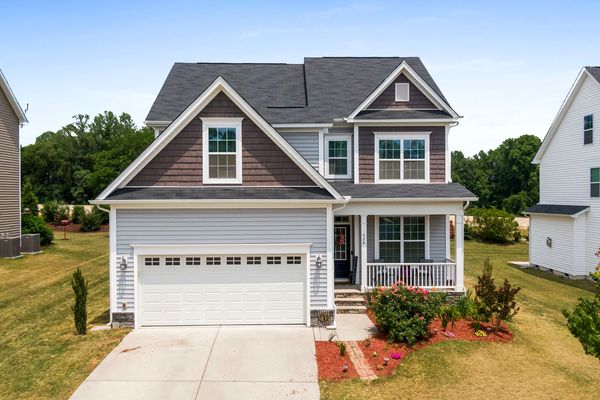
Driveway bids
A driveway bid you can trust lists the slab thickness, the steel and its spacing, what the base is made of and how it is compacted, the joint layout, the finish, and whether tear-out, haul-off and the city approach permit are included.
See details →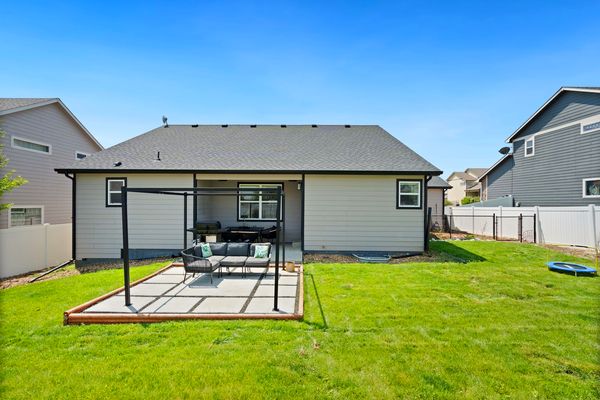
Patio bids
A patio bid should state thickness and steel, the slope away from the house, how downspouts and drainage are handled, where the joints fall, the finish (broom, exposed aggregate, stamped) and whether the HOA drawing is included.
See details →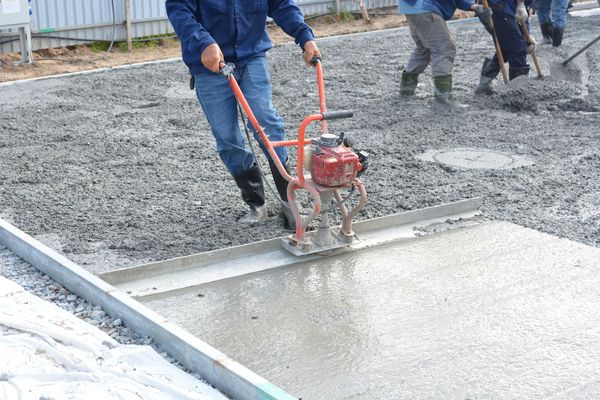
Slab & foundation flatwork bids
A slab bid for a shop, garage, carport, RV pad or small addition should list the slab thickness, the thickened edge or beam detail, the steel, the base and compaction, whether a vapor retarder goes under it, anchor bolt layout for a building kit, and whether an engineer's design or city inspection is required.
See details →Sidewalk & steps bids
A walkway bid should state width, thickness, steel, joint spacing, cross slope and finish; a steps bid should add riser height, tread depth and how the steps tie to the landing.
See details →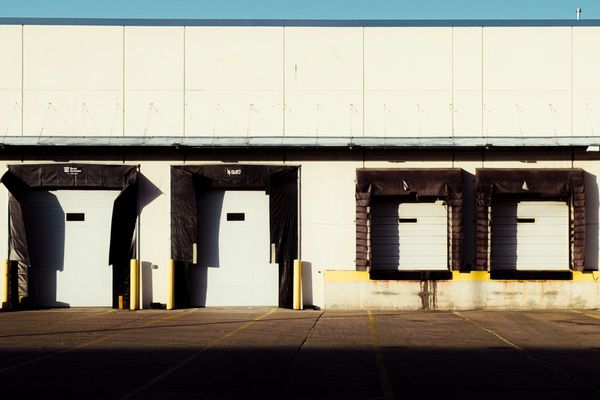
Commercial flatwork bids
A commercial bid for a parking lot, drive lane, dumpster pad, sidewalk or loading area should define the scope panel by panel, give thickness and steel per area, say how new panels are doweled into old, lay out joints, address ADA slopes and routes, state phasing and hours, and include the certificate of insurance and lien release terms.
See details →
Stamped & colored concrete bids
A stamped concrete bid should name the pattern, the coloring method (integral color or shake-on hardener), the release color, the sealer and whether grit is added for traction, plus how control joints will be hidden in the pattern, and it should say so in writing.
See details →Questions about concrete in Tarrant County
Do I need a permit for concrete work in Tarrant County?
Tarrant County had an estimated 2,248,466 residents in July 2025 (up from 2,110,640 in the 2020 Census) and 892,211 housing units, with 59.3 percent owner-occupied. Rules differ by project and address, so the contractor confirms the requirement with Tarrant County before quoting and the written quote includes any permit. Source: U.S. Census Bureau QuickFacts.
What soil is under Tarrant County, and how does it change a slab?
Tarrant County sits in Tarrant County on Cross Timbers and Grand Prairie ground, sandy loam over sandstone in the timbers and shallow soils over limestone on the prairie, which drain better but still move with the seasons. On this ground a slab should have a prepared and compacted subgrade, crushed stone, steel set on chairs, thicker edges, tight control joints and drainage that moves water away from the edge. Source: Texas Parks & Wildlife, Cross Timbers ecoregion.
How do I get a written quote in Tarrant County?
Send the address and what you want built through the quote form. One local crew visits, then quotes the base, steel, joints and drainage in writing before any concrete is ordered. Each project in Tarrant County is quoted on its own site conditions.